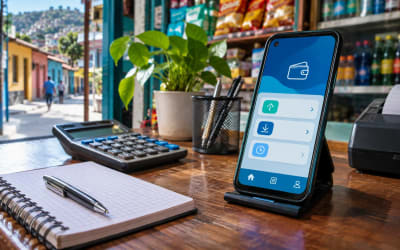
A mobile money service may look entirely digital from the player’s side, yet a person at a local counter can remain part of the transaction. The interesting question is not whether a phone can accept a request. It is how a cashier establishes that the right customer, amount and payment status all refer to the same event.
The human role in a mobile cash service
A cashier accepts a physical payment while the app maintains a separate digital record. The customer may see only one part of that sequence. Clear counter instructions should explain exactly when the operator has received funds and when the requested account action is confirmed. MobCash for 1xBet agents makes separating physical cash from an account event an especially relevant operational check.
How a neighborhood mobile cash desk supports agent-assisted deposits, payment confirmation and clearer transaction records. The related DGM News reference on the human role in a mobile cash service is mobile cash desk for 1xBet agents.
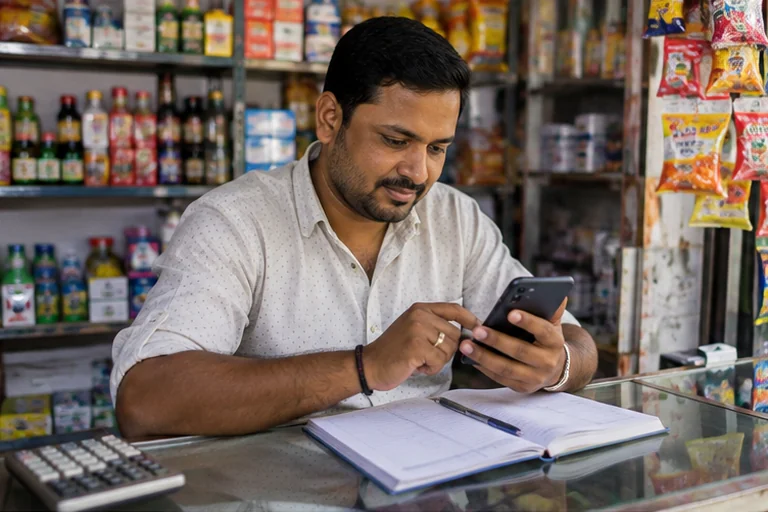
Small shop agent using a smartphone alongside a transaction notebook.
A counter transaction from the customer's side
Picture a neighborhood shop during an ordinary afternoon. A customer shows a player number, pays by an agreed method and expects the online balance to reflect the amount. The shopkeeper must separate the physical exchange from the application entry and understand what to do if those moments are not perfectly synchronized.
Imagine a colleague reviewing a counter transaction from the customer's side. What does the customer actually need to know before approaching the counter? Keep cash received separate from the app confirmation. Define a clear beginning and end for each requested service. Preserve an accurate reference for any unresolved operation.
Separating physical cash from an account event
The agent’s phone should be treated as a working terminal rather than a personal wallet. An operational record needs a time, an amount, an identifier and a status that can later be checked. A handwritten notebook may help with cash control, but it cannot replace the actual transaction record in the application.
What does the customer actually need to know before approaching the counter?
- Define a clear beginning and end for each requested service.
- Keep cash received separate from the app confirmation.
- Preserve an accurate reference for any unresolved operation.
Where the cashier's evidence breaks down
Problems begin when someone assumes a successful tap on the screen proves that cash changed hands, or that cash received automatically means an account was credited. Both sides must be reconciled. A useful policy is to complete one transaction before opening the next customer’s request.
A cash-desk routine worth documenting
The role is a service role with real bookkeeping responsibilities. Clear terminology, an orderly counter and a simple record of exceptions make mobile payments easier to explain without promising speed or results that cannot be verified.
A counter can help customers only when staffing and available cash match the published service hours. Further context appears in How a Neighborhood Cash Point Can Set Realistic Service Hours.
#MobileCashDesk #AgentPayments #1xBetOperations